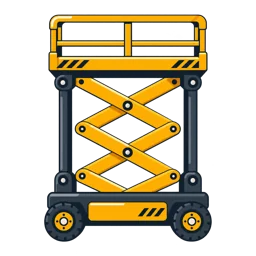
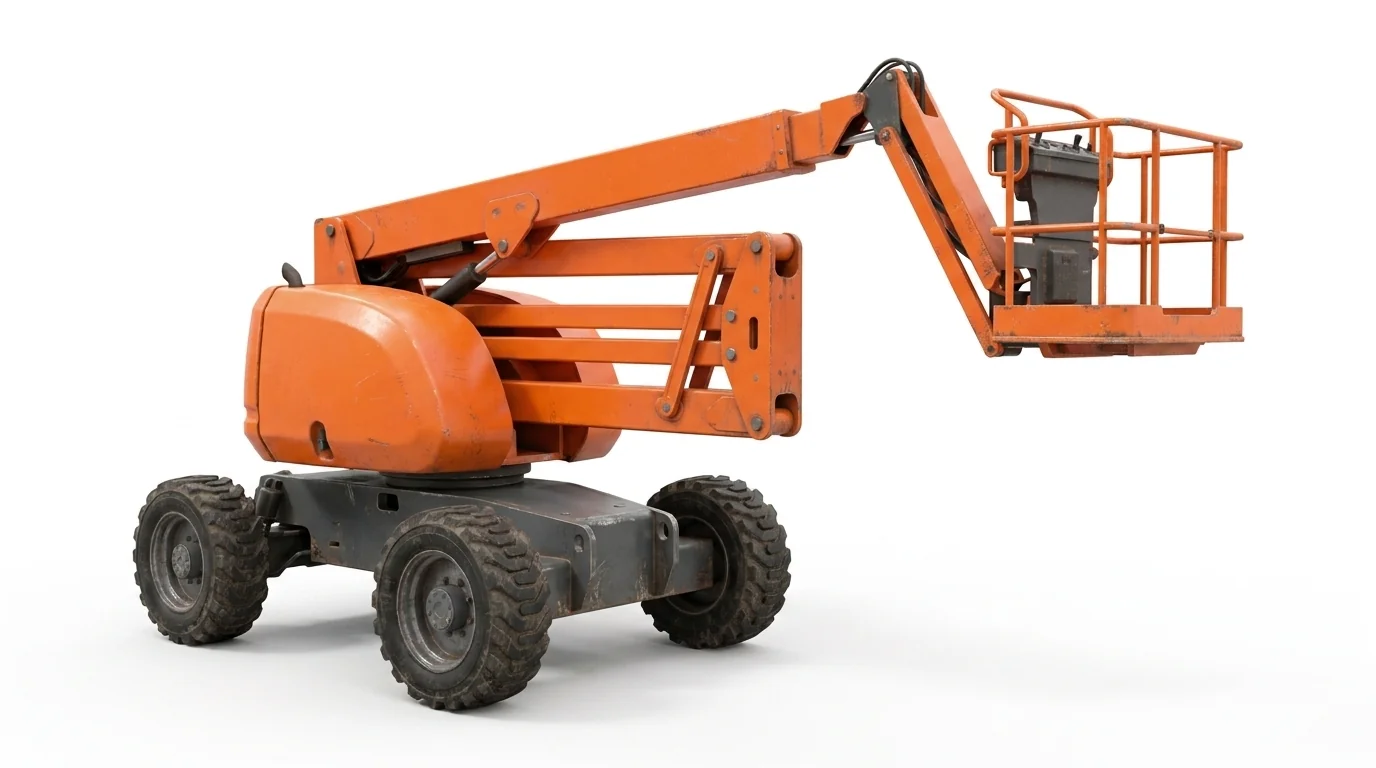
Geometry first: vertical or offset
- Straight up, unobstructed: Scissor lifts are efficient and stable for overhead work directly above the platform. See /electric-scissor-lift-rental/ for interiors and /rough-terrain-scissor-lift-rental/ for exteriors.
- Up‑and‑over or straight reach: Obstacles like conveyors, canopies, and parapets push the choice to boom lifts. Start at /boom-lift-rental/ to compare articulating versus telescopic styles.
Louisville conditions that influence selection
- Large distribution and manufacturing buildings favor quiet, low‑emission units that can navigate aisles and pass under mezzanines.
- Outdoor jobs across variable soils benefit from machines built for ruts, mud, and changing grades.
- The regional climate’s humidity and winter freezes can influence hydraulic response and battery runtime; plan equipment type and power accordingly.
Height, footprint, and access
- Height: Confirm platform or lift height relative to ceiling systems, roof edges, or façade lines.
- Footprint: Doorways, elevators, and aisle widths cap machine size for many indoor routes.
- Surface: Finished slabs point to electric scissors or compact booms; rough ground suggests rough‑terrain scissors or four‑wheel‑drive booms.
Common local applications
- Lighting, sprinkler, and conveyor maintenance on active shifts.
- Exterior façade work where mud and gravel are common between paved areas.
- Equipment installs in industrial sites with tight approach paths.
Related categories
- For personnel access straight up: /electric-scissor-lift-rental/ and /rough-terrain-scissor-lift-rental/
- For horizontal reach: /boom-lift-rental/
- For material handling at height: /telehandler-rental/ and /forklift-rental/
Actual site conditions, the selected unit’s instructions, and applicable procedures govern elevated work in Louisville, KY.