Define the load and the landing
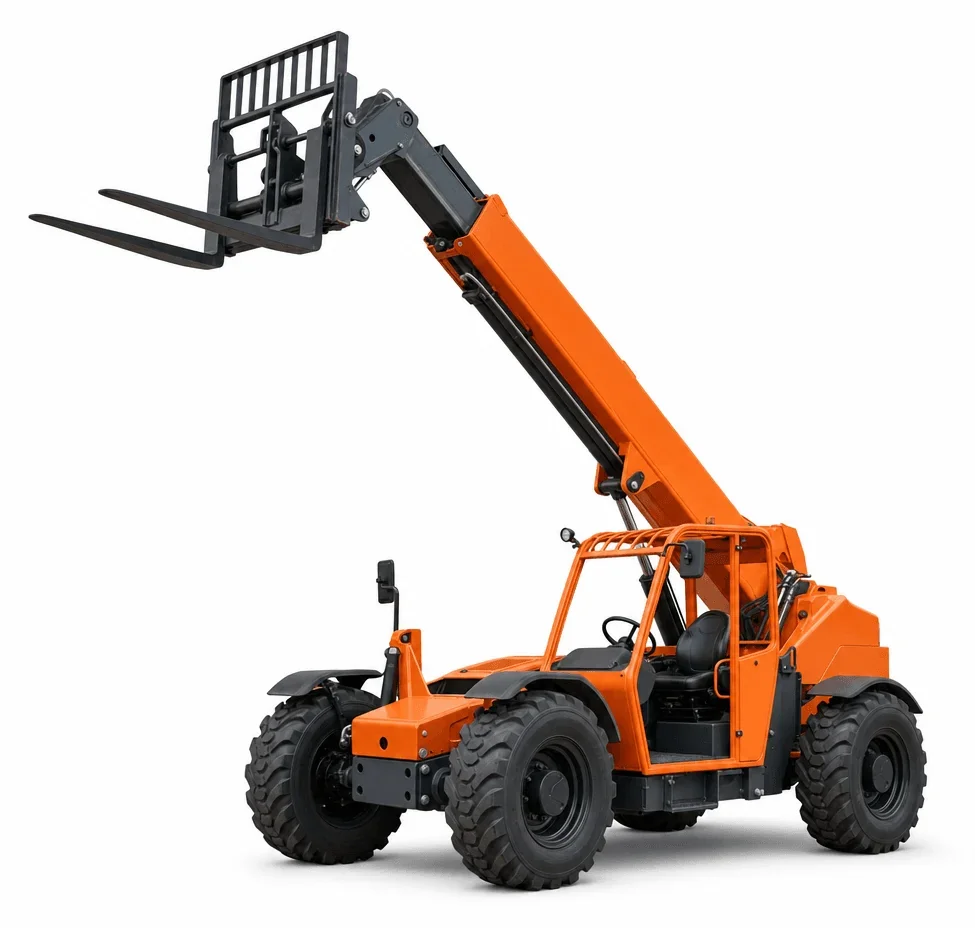
Telehandlers are about placing materials where cranes or forklifts cannot conveniently reach. Start with:
- Maximum load weight at the farthest practical reach
- Landing height at the platform, mezzanine, or roof edge
- Set-back distance the machine must hold from the structure or edge protections
Capacity curves drop as boom extends. The required placement point usually determines size more than headline lift numbers.
Louisville jobsite patterns
- Logistics yards: Staging outside busy docks often means working from a standoff to keep clear of traffic. Long-reach models help place pallets or equipment onto platforms without blocking lanes.
- Industrial sites: Mixed grades and compact routing around equipment pads favor units with tighter turning and good visibility.
- Construction near floodplain soils: After rain, surfaces can rut. Rough-terrain telehandlers with appropriate ground clearance handle these approaches better than slab-oriented machines.
Access and transport constraints
- Gate width, curb cuts, and ramp grades from street to pad
- Overhead conflicts like pipe bridges or low canopies
- Surface bearing: paved vs. compacted fill
If vertical lift on a slab is the only need, compare /forklift-rental/. For elevated placement followed by personnel access, review /telescopic-boom-lift-rental/ for reach work and /temporary-fencing-barricades-rental/ to define laydown zones.
Attachments and power notes
Different carriage styles and forks change load handling geometry. Plan for the exact material profile and pallet dimensions before sizing the unit. The regional climate can swing from hot to freezing; machines with robust drivetrains and hydraulics maintain performance across seasons.
Lighting and storage support
For early-morning or night staging, /generators-light-towers-rental/ can assist. Secure on-site materials with /storage-containers-rental/ where appropriate to protect high-value components.