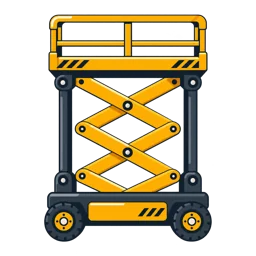
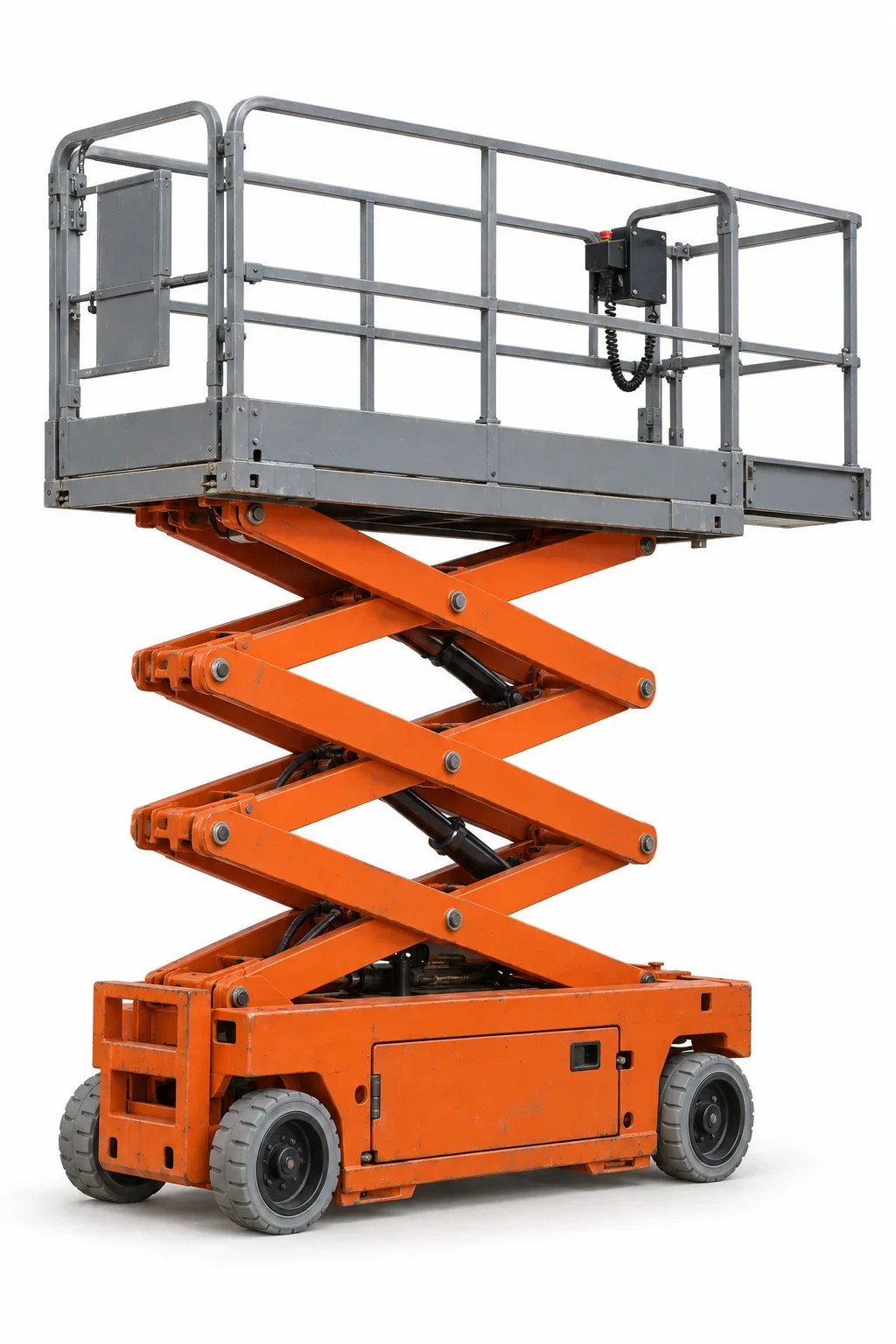
Match the lift to the ground
- Surface: Sites near the river plain or on cut slopes can hold moisture and create soft patches. Rough‑terrain machines manage ruts and mud better than indoor slab lifts.
- Grade: Uneven approaches and unfinished pads call for models rated for gradeability and with appropriate tires.
Platform height and deck use
- Pick a platform height that reaches the work with the lift positioned squarely beneath. Extra capacity helps when staging materials at height during exterior cladding or MEP rough‑in.
- Deck extensions can reduce repositions along long facades, but the unit still goes straight up; for reach over obstacles, see /boom-lift-rental/.
Louisville weather and runtime
- The regional climate ranges from humid summers to freezing winters. Hydraulic systems and engines specified for outdoor duty maintain performance across those swings.
- Plan fueling or charging access around site logistics, especially on large industrial sites with long travel distances between work zones.
Where rough‑terrain shines locally
- Industrial expansions with unsettled subgrades.
- Distribution campus work where access roads transition from gravel to paved.
- Exterior maintenance after heavy rain when slab lifts would bog down.
Alternatives when obstacles intervene
If the task sits beyond parapets, conveyors, or canopies, an articulating or telescopic boom provides horizontal reach. Compare options at /boom-lift-rental/ and /aerial-lift-rental/.
Actual site conditions, the selected unit’s instructions, and applicable procedures govern elevated work in Louisville, KY.