Set-back distance and target height
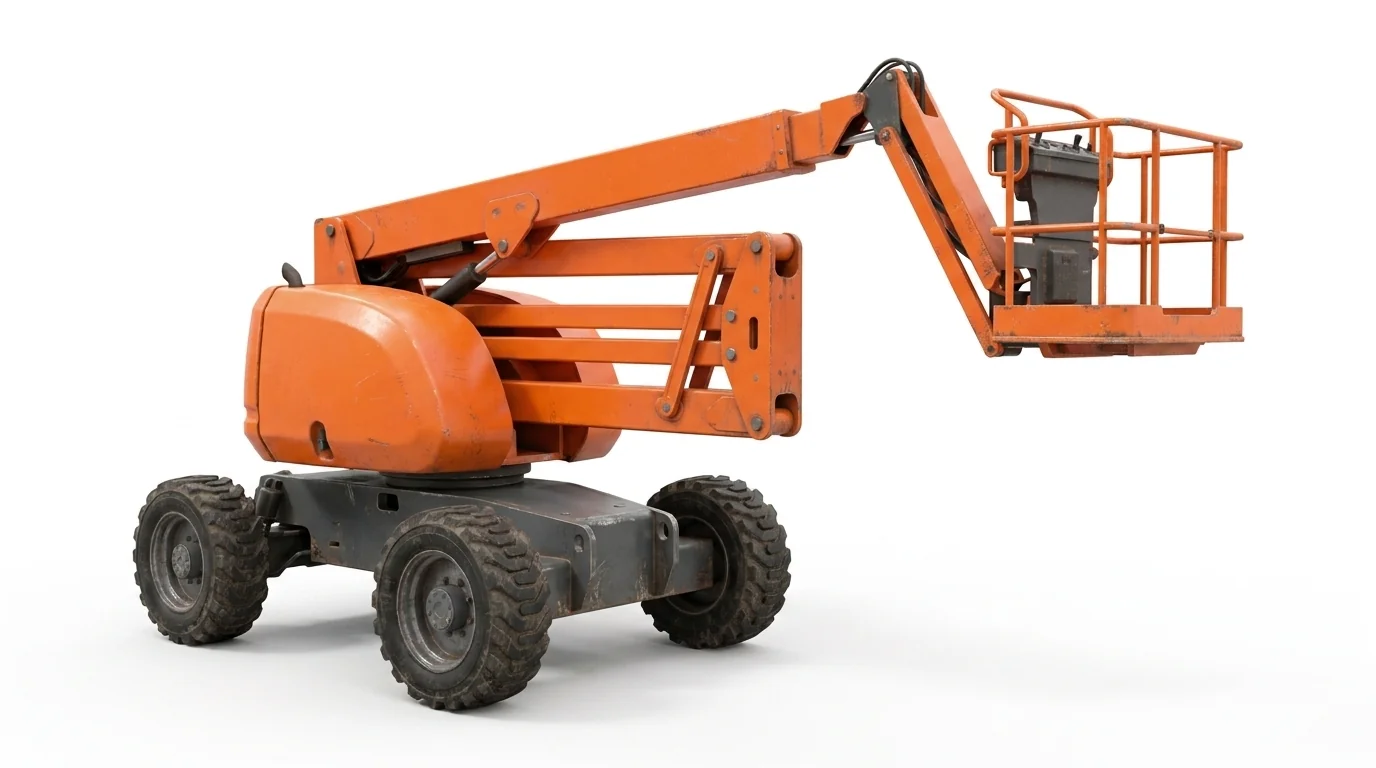
Start by mapping where the machine can safely sit relative to the work face. If you can establish a clear set-back with no overhead conflicts, a straight boom’s horizontal reach simplifies positioning. Key dimensions:
- Required platform height to the task
- Horizontal distance from parking spot to work face
- Any minimum under-structure clearance for the boom stick as it raises
If obstacles block the path, compare with /articulating-boom-lift-rental/.
Louisville use cases
Exterior maintenance at logistics and industrial sites often prefers straight booms to keep equipment out of active vehicle lanes. Large production buildings and distribution exteriors benefit from long outreach for lighting, signage, and facade work where a stable standoff is available.
Surface and stability considerations
- Stable slab or paved apron: Choose a unit matched to smooth surfaces when the parking spot is on concrete or asphalt with reliable bearing strength.
- Variable soils or graded lots: Portions of Louisville include floodplain influences and fill that can soften after rain. In these cases, rough-terrain straight booms with higher clearance and traction are typically the better fit. Compare vertical-only needs with /rough-terrain-scissor-lift-rental/.
Wind exposure and working envelope
Straight booms are commonly used in more exposed exterior positions. The selected unit’s instructions and site procedures govern allowable conditions. When planning, note the building corner effects that can increase gusts and the distance needed to fully extend without contacting nearby structures.
Access route and transport constraints
- Gate and door width if moving from a yard into a covered bay
- Turning radius into alleys or behind loading docks
- Weight limits on ramps and thresholds
If the access path is tight or includes indoor transitions, an /aerial-lift-rental/ review can help compare alternatives.
Complementary gear
Long exterior work windows often need area lighting and power. Consider /generators-light-towers-rental/ for night or shoulder-hour tasks.