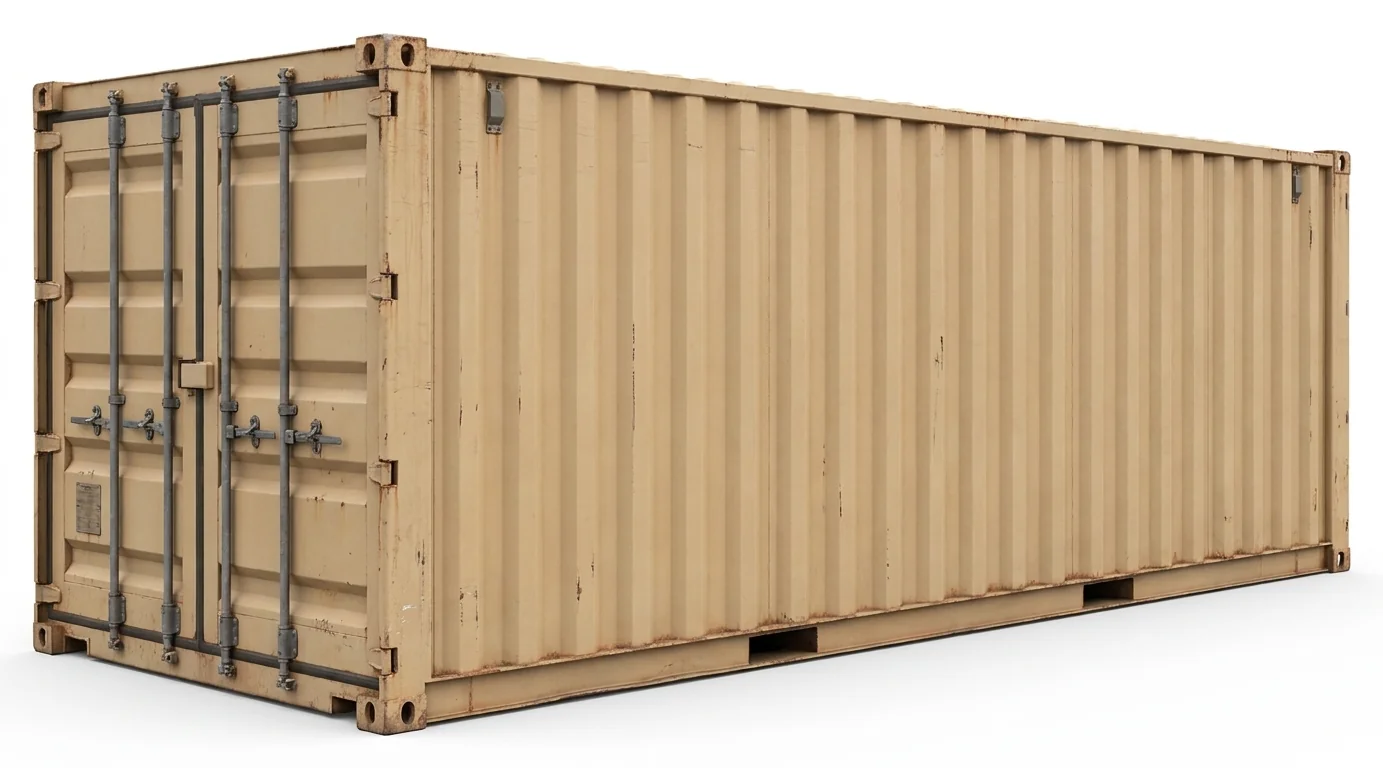
Decide by footprint, door type, and access frequency
If pallets or parts move in and out daily, standard doors facing a forklift lane keep loading simple. For tool cribs and renovation supplies, side access can reduce aisle conflicts in tight courtyards. Measure the longest item, turning radius for handling equipment, and overhead clearances at gates and canopies.
In dense industrial sites, place containers where they do not interrupt dock patterns or maintenance lift routes. Nearby aerial work, such as signage or conduit runs, may call for /vertical-mast-lift-rental/ indoors or /articulating-boom-lift-rental/ outdoors; container placement should not encroach on their swing paths.
Surface and drainage in the river plain
Karst features and floodplain soils can leave soft or uneven patches. A level, well-drained pad helps doors track and seals seat properly. Where the approach crosses gravel or wet turf, confirm that delivery vehicles and /forklift-rental/ units can reach the spot without getting bogged down. If the box must sit near a slope or swale, consider how runoff might pool against thresholds.
Security and environment
Logistics yards experience constant movement. Sightlines to lights from /generators-light-towers-rental/ increase visibility at night, while spacing from high-traffic lanes reduces incidental contact. For temperature-sensitive contents, note the regional climate’s humidity and winter lows; ventilation, desiccants, or insulated units may be part of the plan depending on dwell time.
Integration with project phases
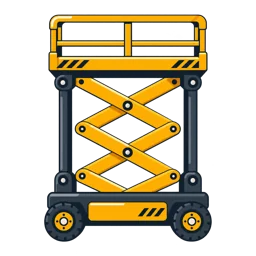
- Short renovation: smaller footprint near the entry and slab-ready lift lanes at /electric-scissor-lift-rental/.
- Ongoing industrial maintenance: larger units staged away from crane or telehandler paths at /telehandler-rental/.
- Seasonal overflow in distribution areas: line containers parallel to traffic to preserve turning space for yard tractors.
Actual site conditions and facility procedures govern placement near exterior or elevated work areas.