Define zones by task and timing
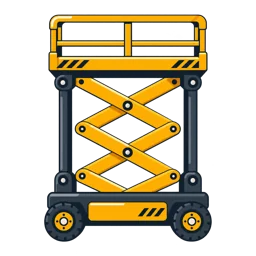
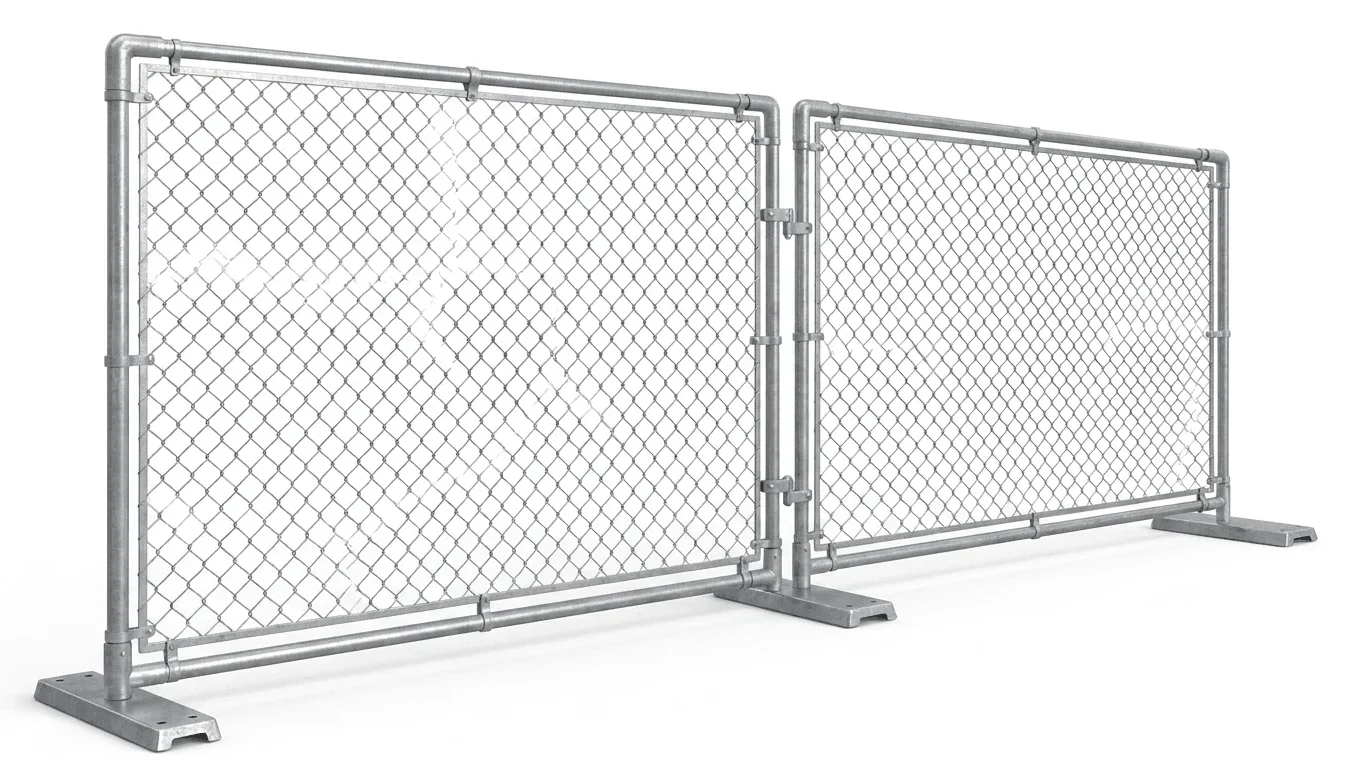
Create clean separations between material staging, aerial access, and public walk paths. When overhead work is scheduled, coordinate barricade offsets with reach envelopes from /boom-lift-rental/ or /rough-terrain-scissor-lift-rental/ so swing areas and ground controls remain clear. In fast-changing maintenance windows, modular panels allow quick reconfiguration without blocking emergency egress.
Ground and wind considerations near the river plain
Unpaved edges and karst-influenced voids can make footing inconsistent. Panel bases and site-stability factors requirements change when set on grass, gravel, or broken asphalt. Wider footprints and additional bracing may be needed where gusts funnel between large buildings. Avoid placing barricade lines where ponding directs water against bases.
Access continuity for logistics and healthcare campuses
High-frequency dock cycles and critical facility access mean barricades must preserve turning radii and stretcher-width paths. Map choke points at dock doors, service corridors, and temporary ramps. Where night work occurs, sightlines to lighting from /generators-light-towers-rental/ should keep panel runs visible without glare into operator lines of sight.
Integration with lifting and storage
- Keep offsets from container faces at /storage-containers-rental/ for door swing and loading.
- Maintain clearance for /forklift-rental/ travel lanes and handrails around temporary ramps.
- For up-and-over maintenance, coordinate barricade footprint with /articulating-boom-lift-rental/ to account for tail swing.
Actual conditions, equipment instructions, and site procedures govern any exterior or elevated work around barricaded zones.