Start with load and lift point
- Heaviest unit load and pallet dimensions
- Highest rack beam or dock height you must service
- Load center driven by pallet length and packaging
These inputs define mast stage and capacity requirements. If the job involves elevated placement beyond a rack edge, consider /telehandler-rental/.
Floor and aisle conditions in Louisville
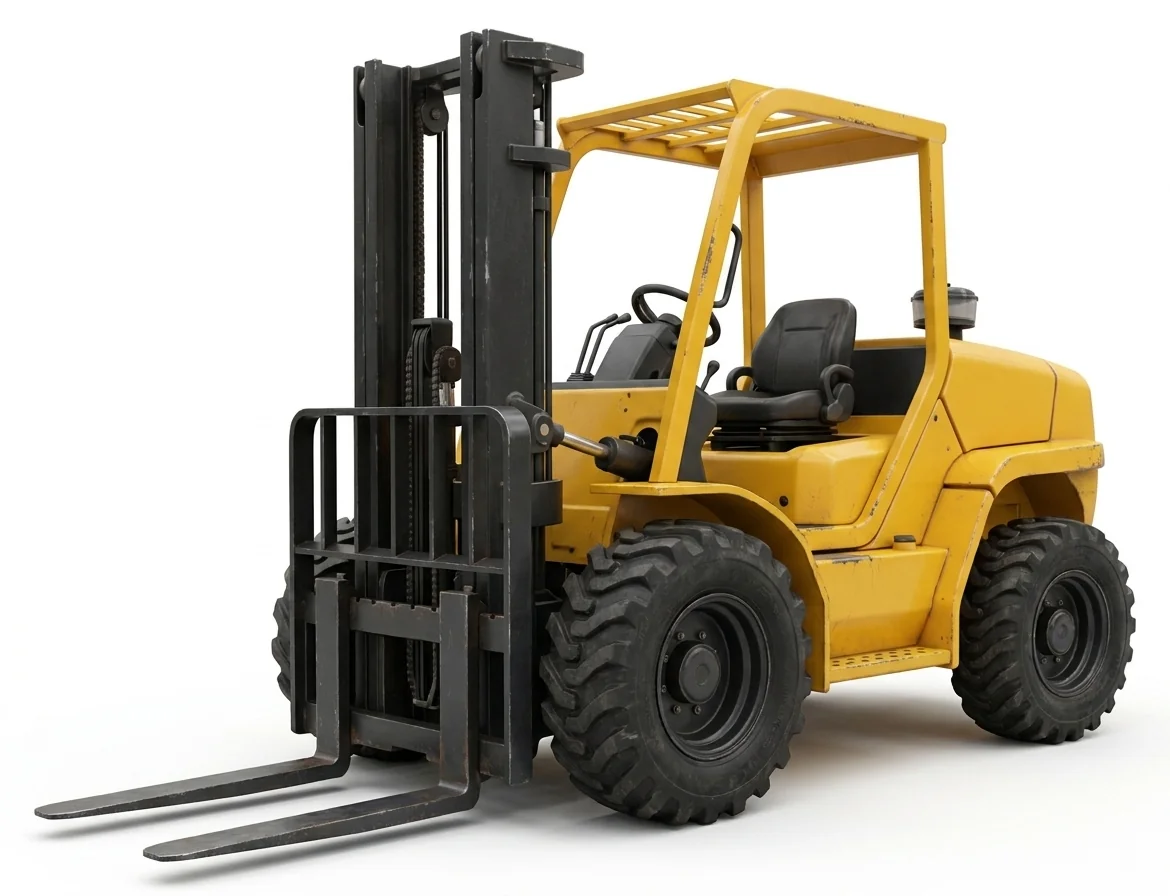
- Smooth slab or sealed floors: Cushion-tire forklifts or electric units fit indoor aisles and reduce floor wear, common in healthcare logistics and light assembly spaces.
- Mixed interior/exterior routes: Pneumatic-tire forklifts handle dock aprons and yard breaks better, especially where pavement meets compacted fill.
- Seasonal moisture: Approaches near the river corridor or aging pavement can be slick or uneven after storms. Plan tire type and traction accordingly.
Power source considerations
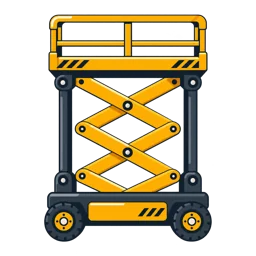
Electric units work well for enclosed spaces with ventilation limits and narrow turns. Internal combustion units suit longer outdoor runs and frequent dock-to-yard travel. For vertical-only personnel access rather than pallet movement, see /electric-scissor-lift-rental/.
Clearance, turning, and transport path
- Door and tunnel height for mast clearance when lowered
- Aisle width and turn radius at end-of-aisle positions
- Ramp grades and thresholds at dock levelers
If exterior storage or staging is part of the workflow, /storage-containers-rental/ can organize parts and reduce travel distances.
When a different platform fits
- Need to reach over machinery or railings? /articulating-boom-lift-rental/
- Long, straight elevated access outside? /telescopic-boom-lift-rental/